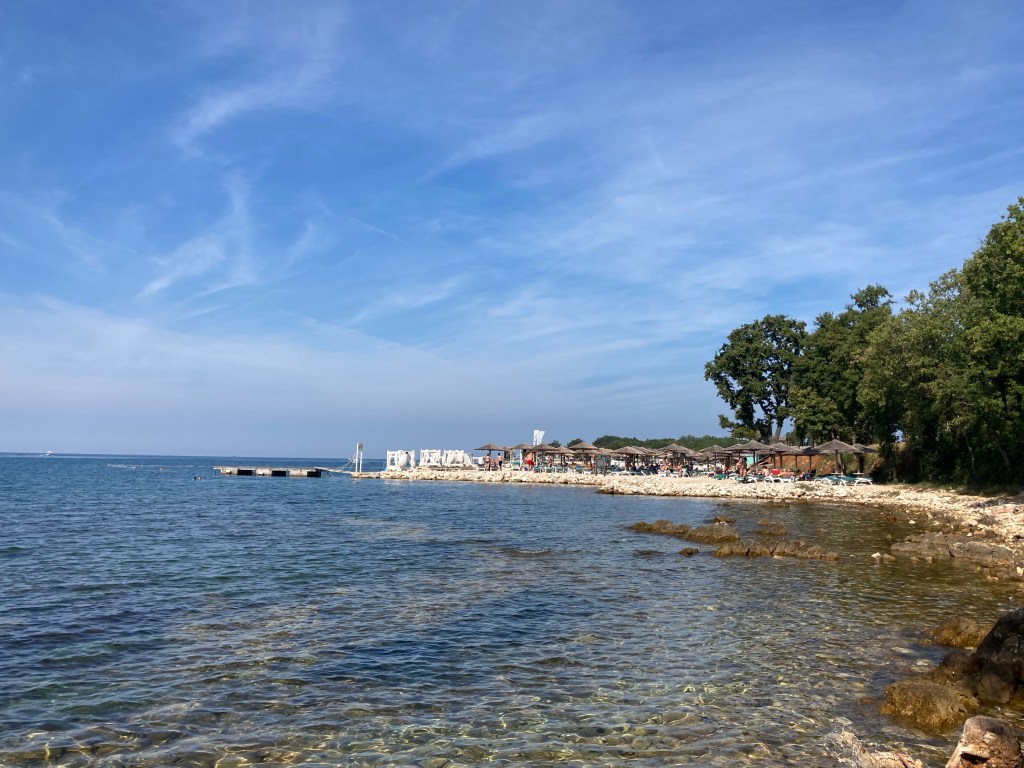
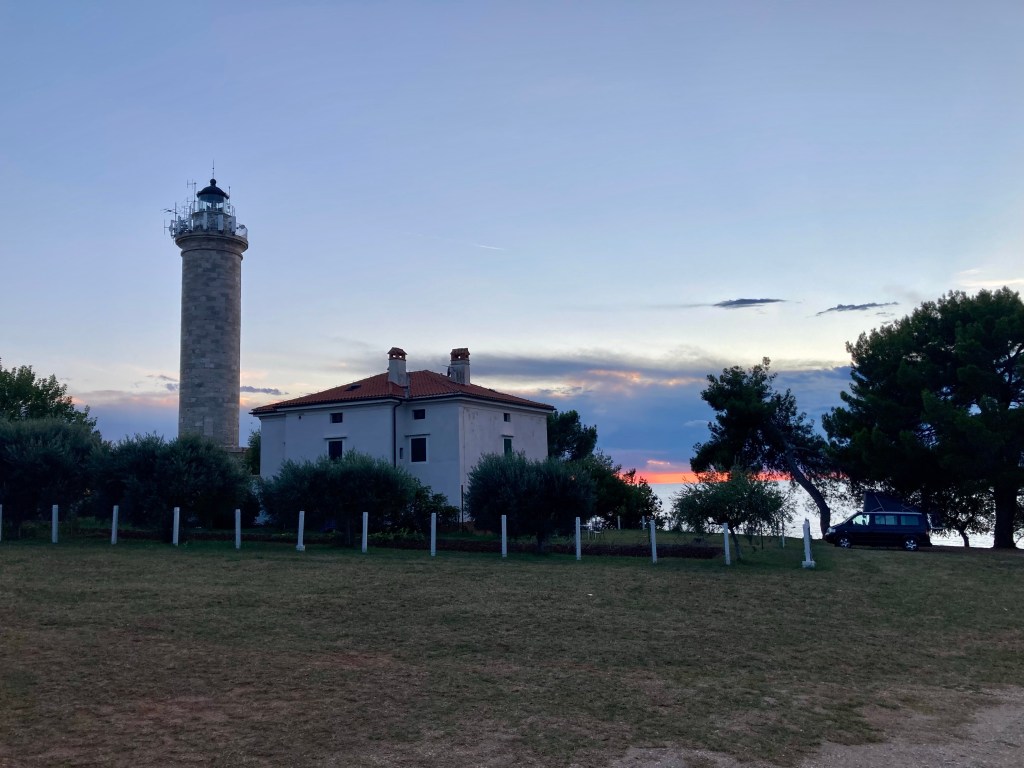
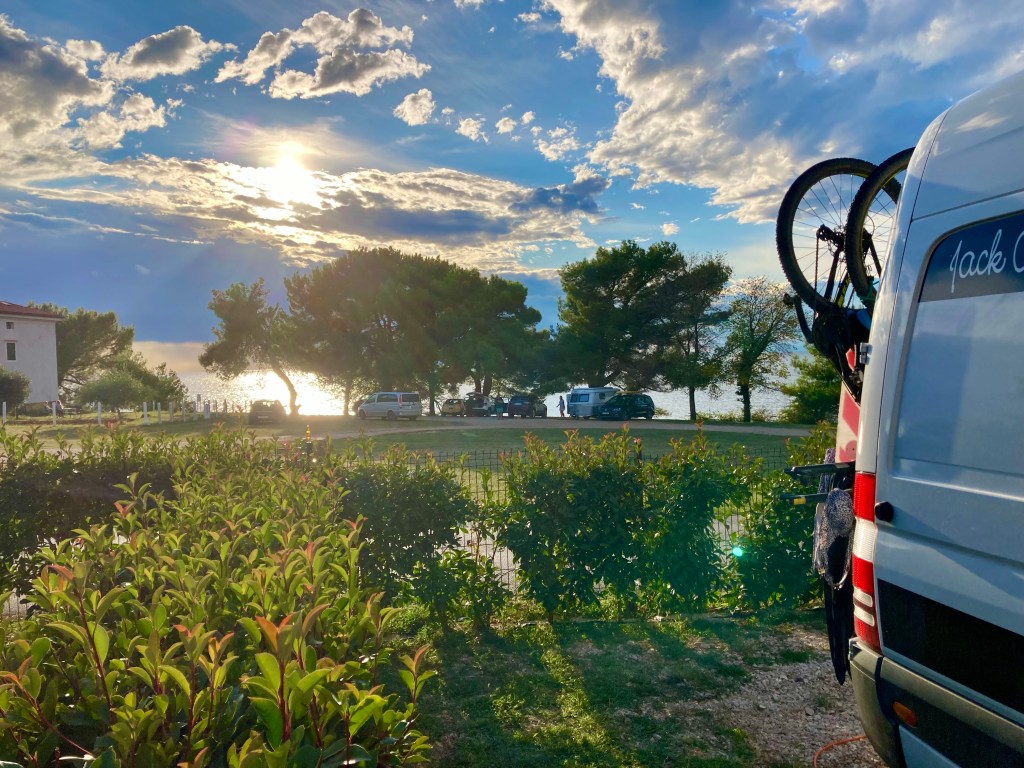
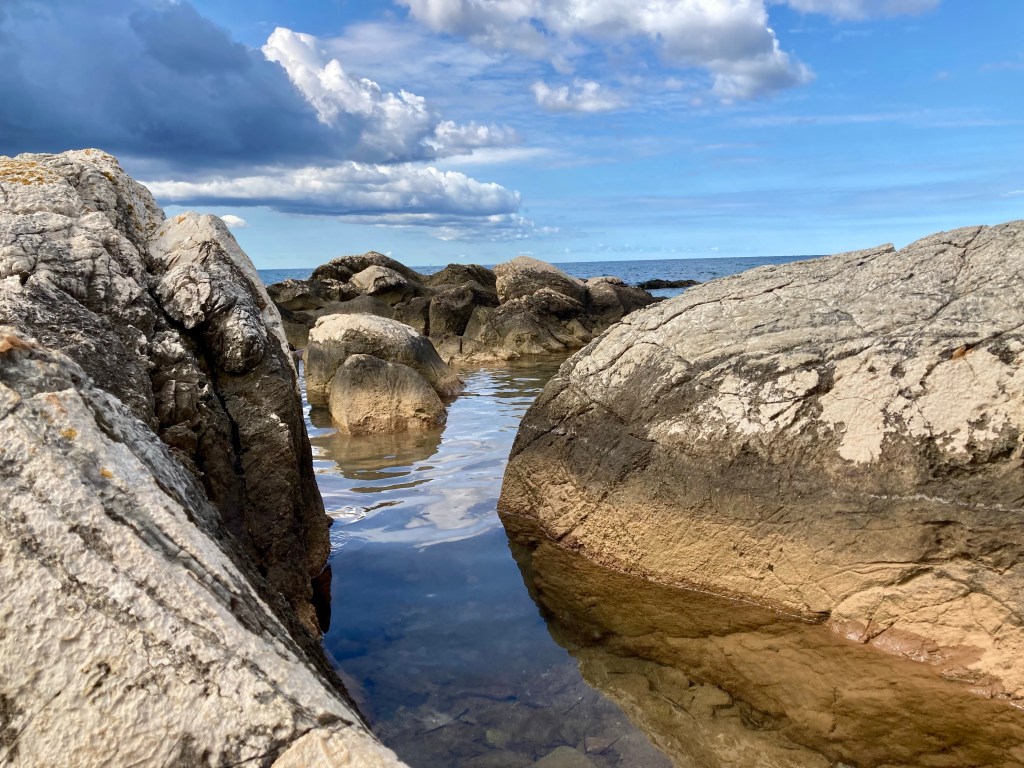
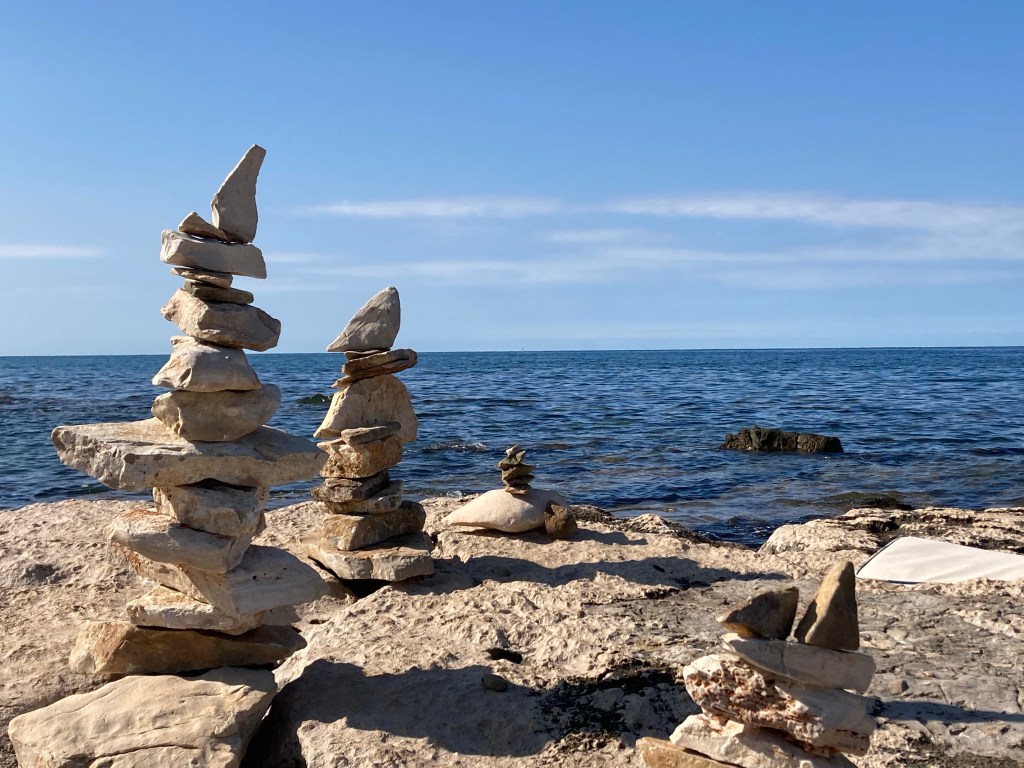
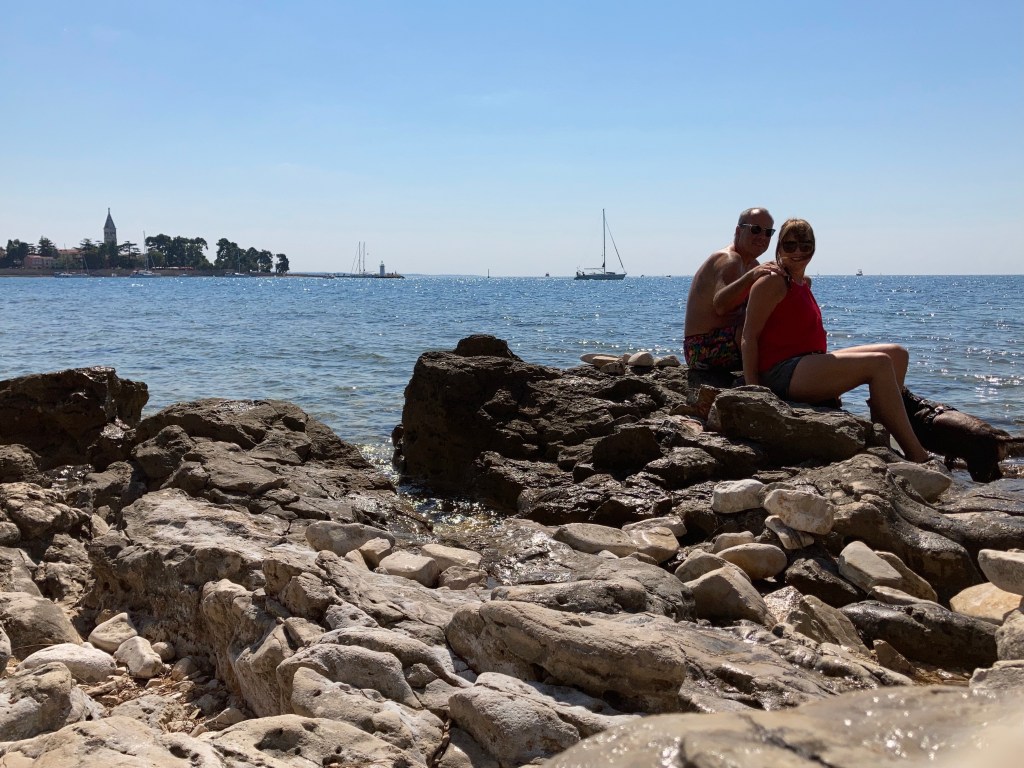
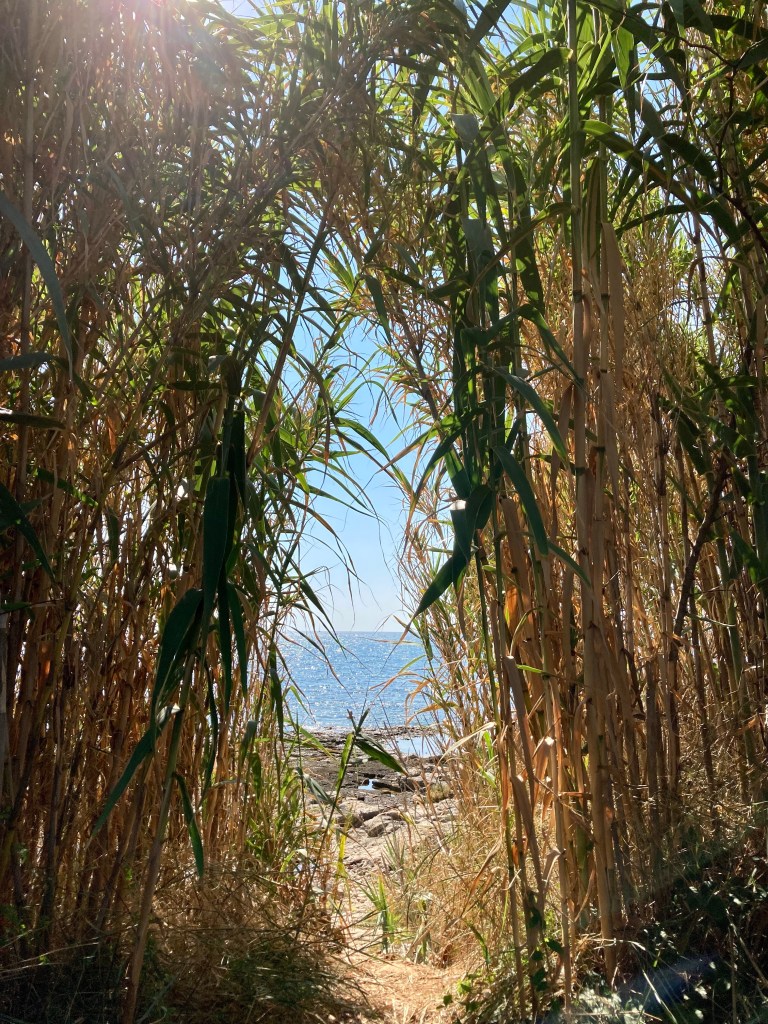
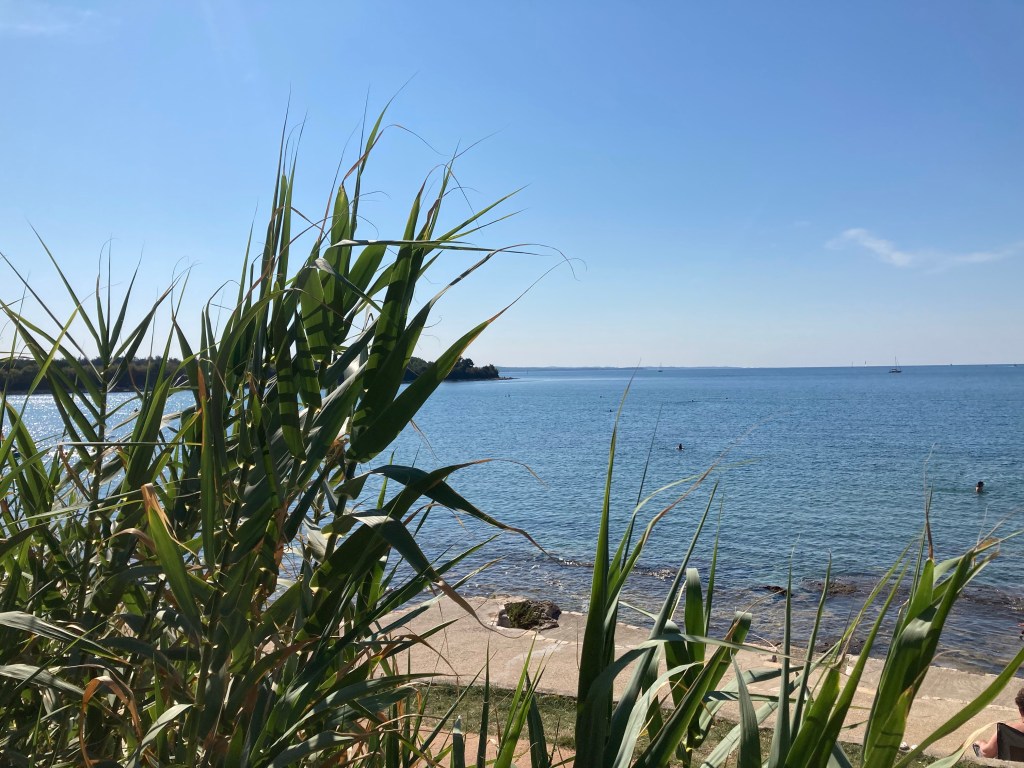
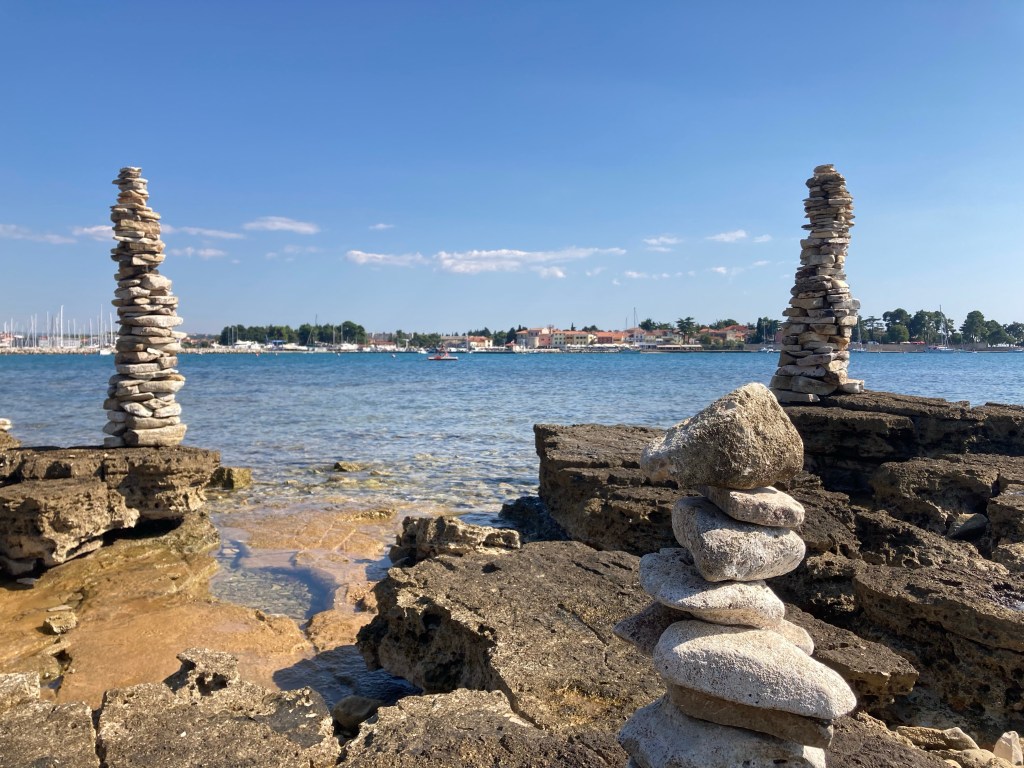
We moved further along the Istria coastline and stayed in a lovely coastline area within walking distance of Poreč. The campsite was much larger than we were used to however to our surprised we really liked it and settled quickly into our new location.
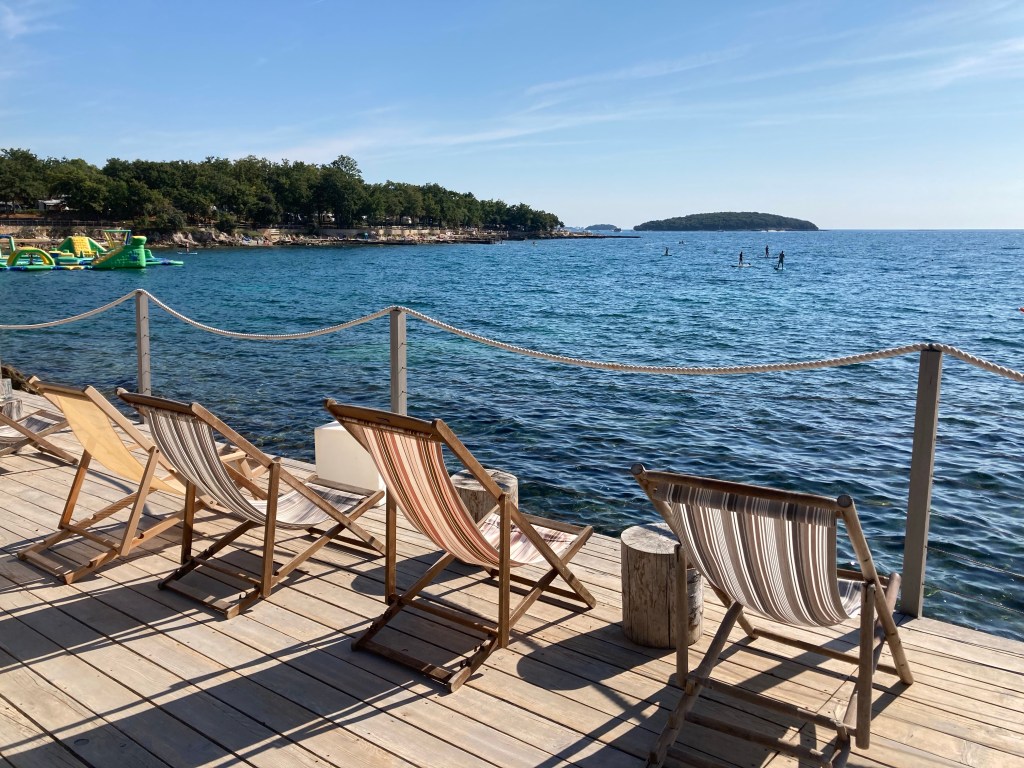
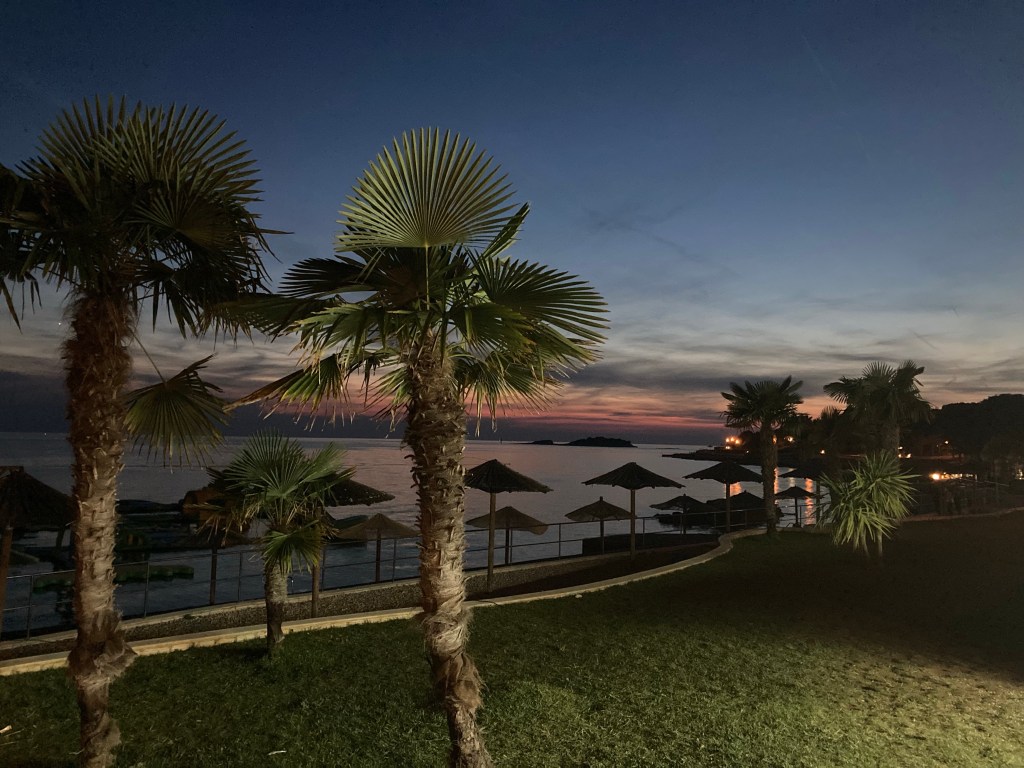
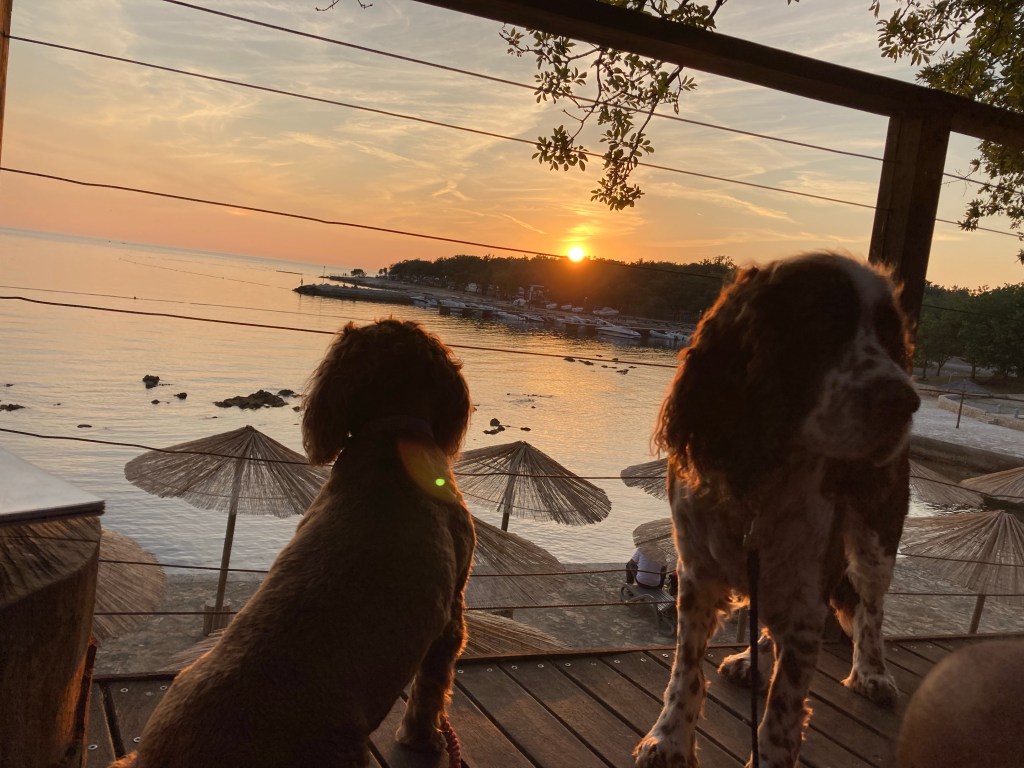
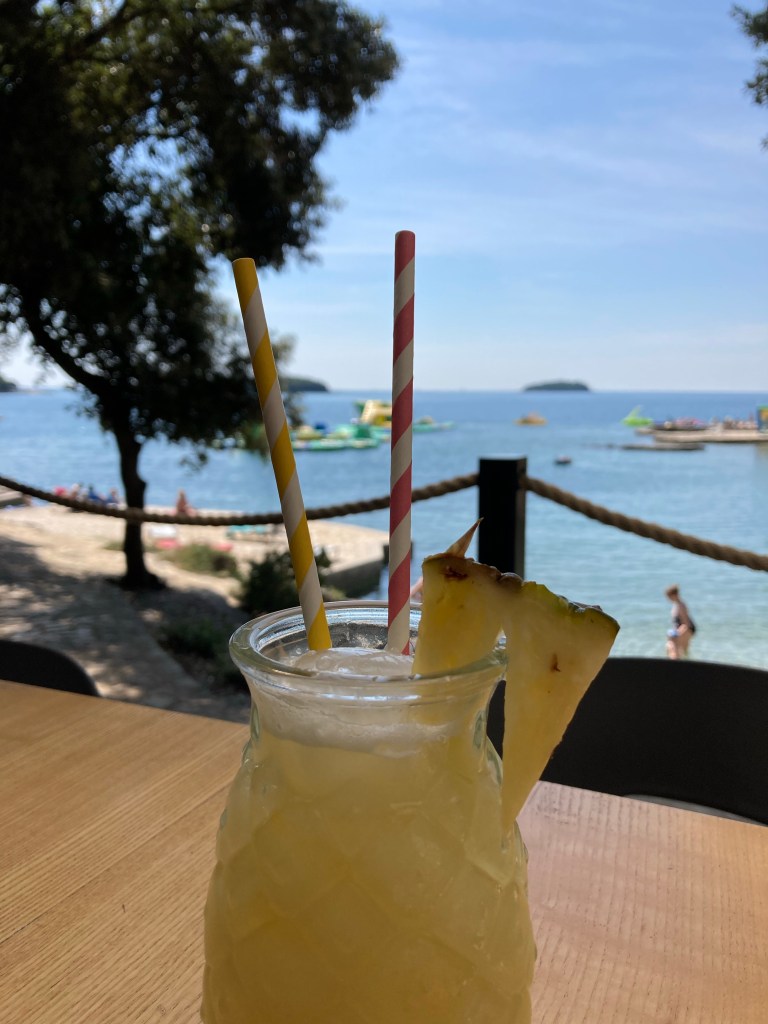
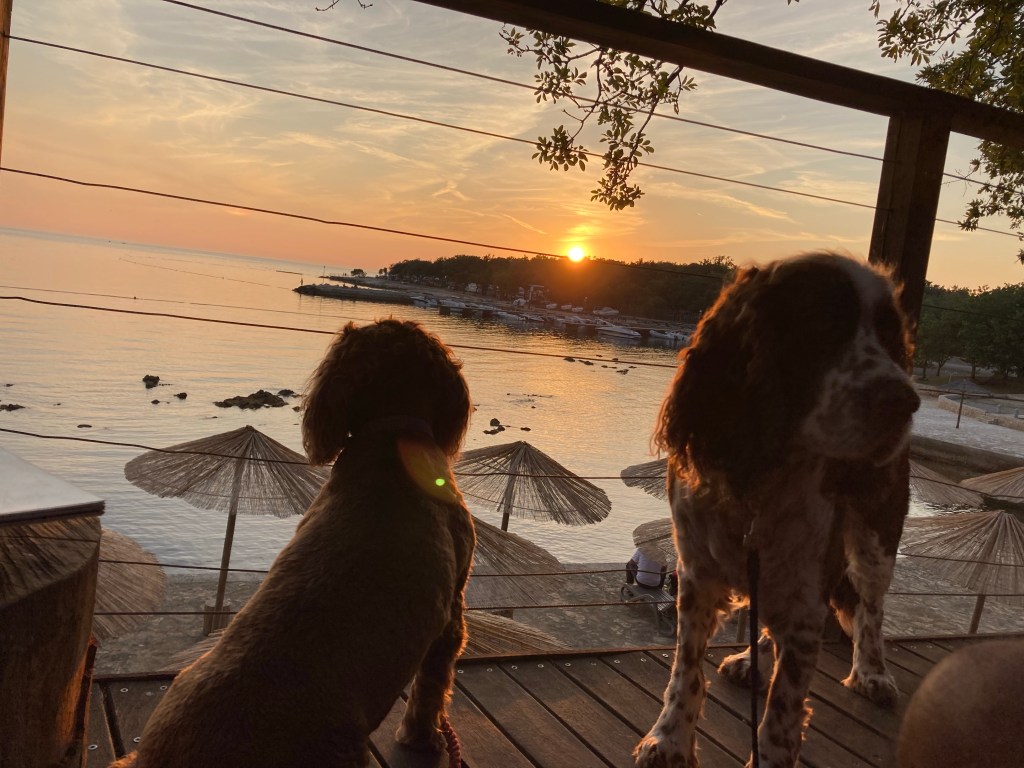
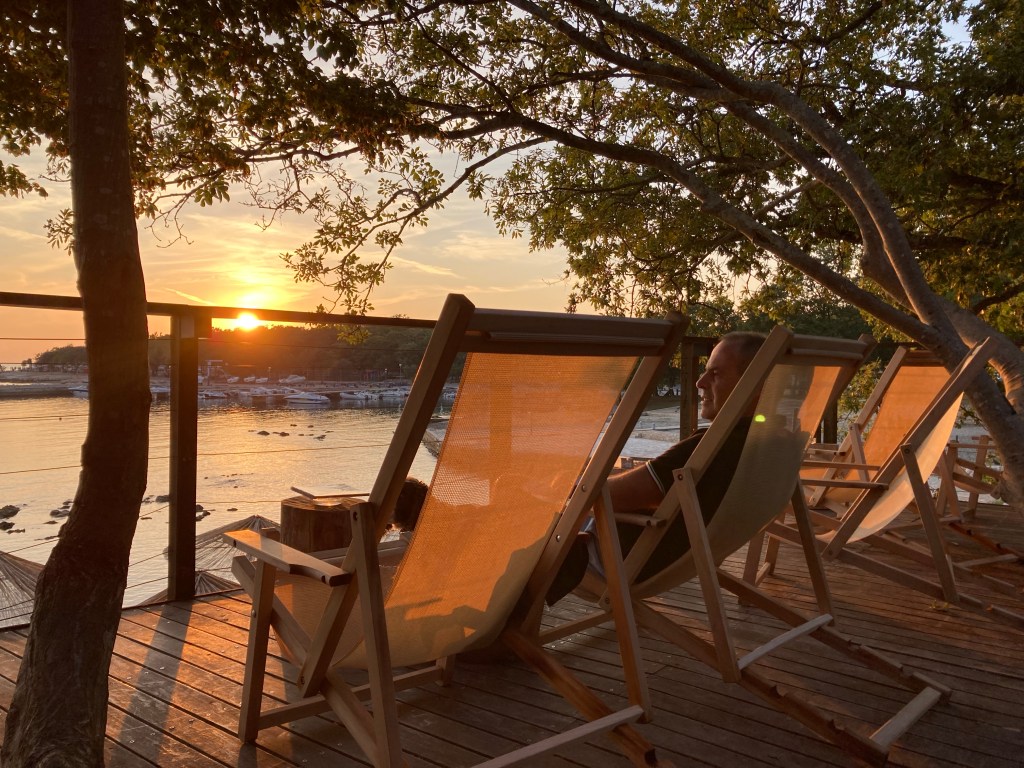
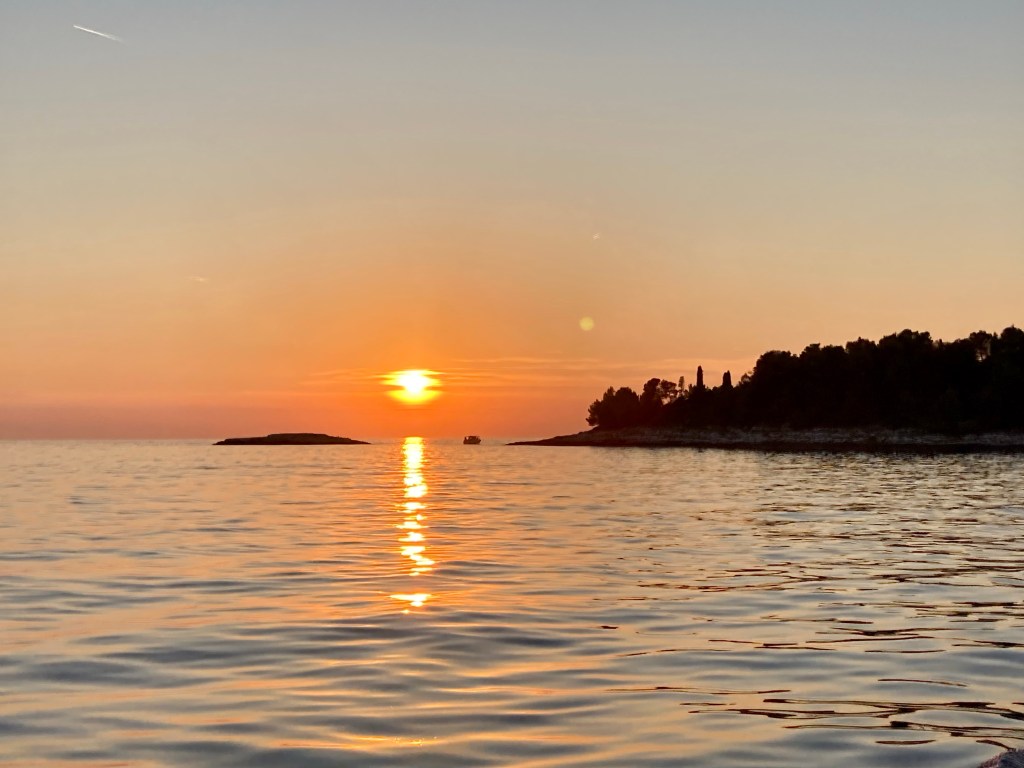
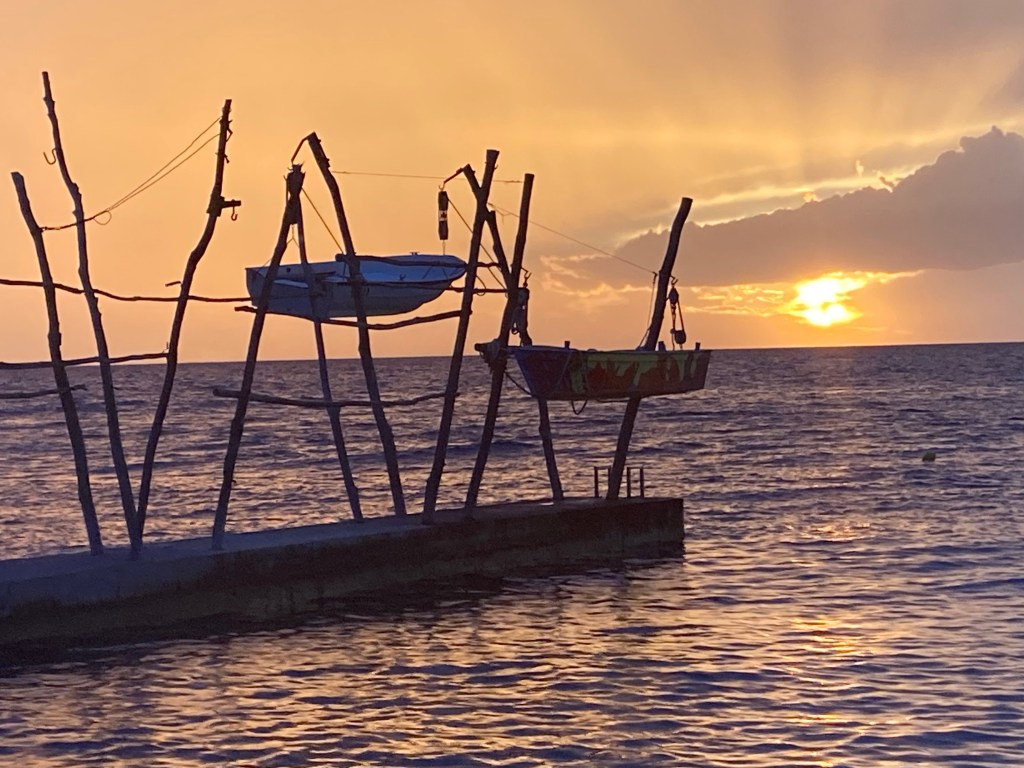
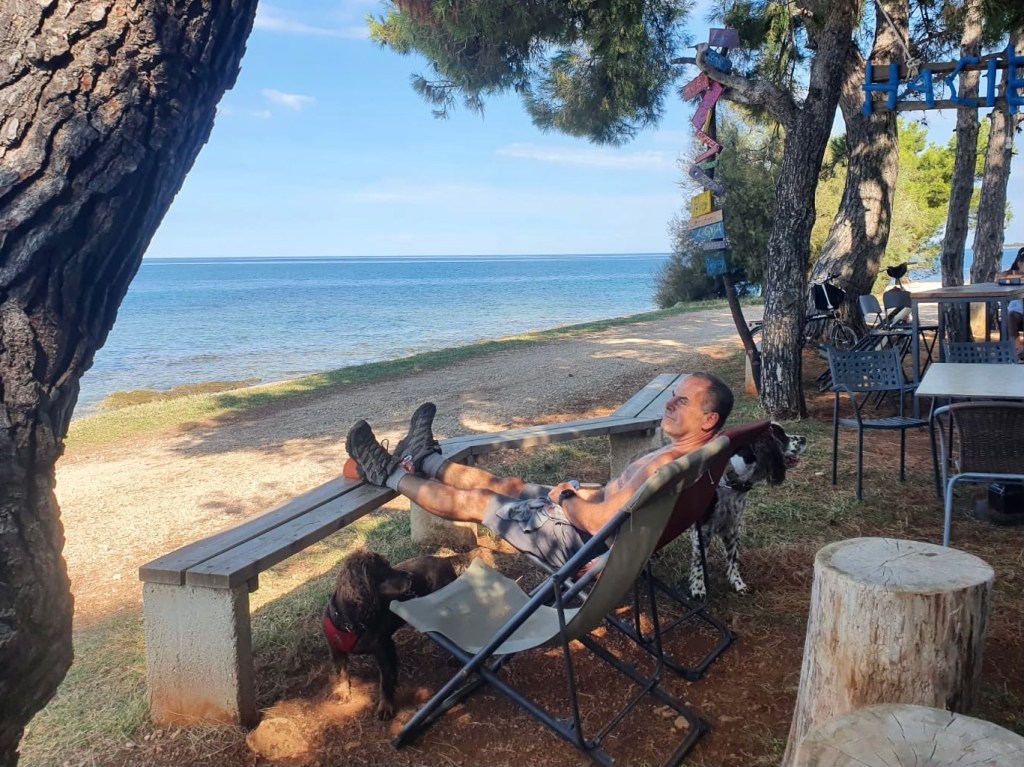
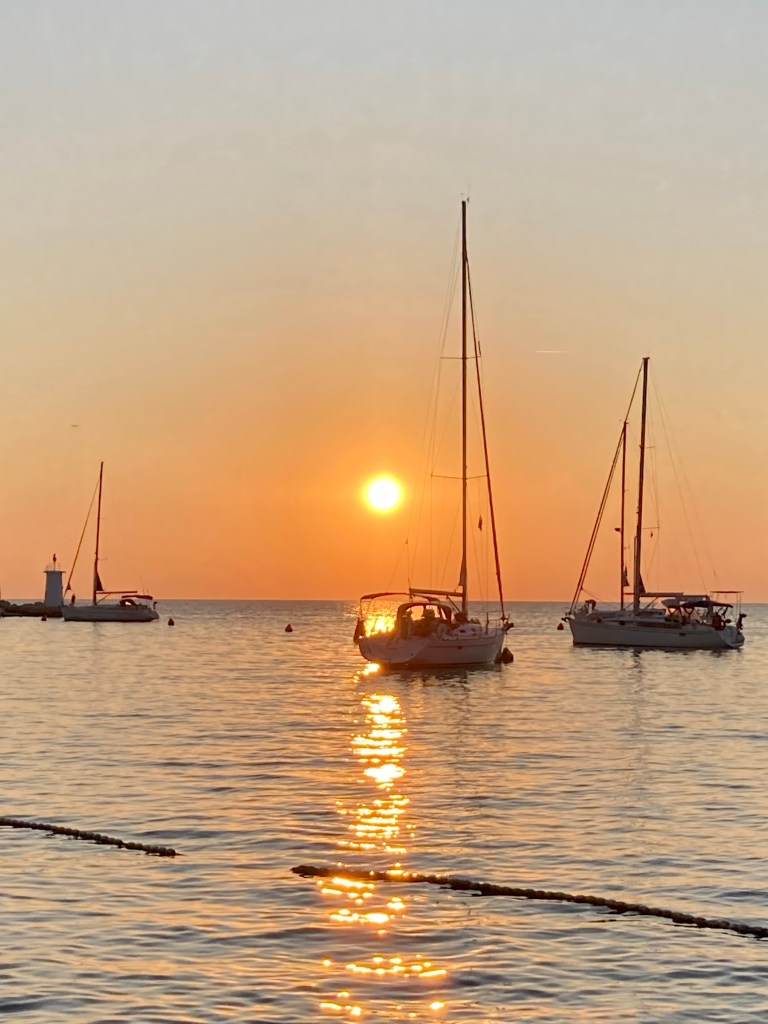
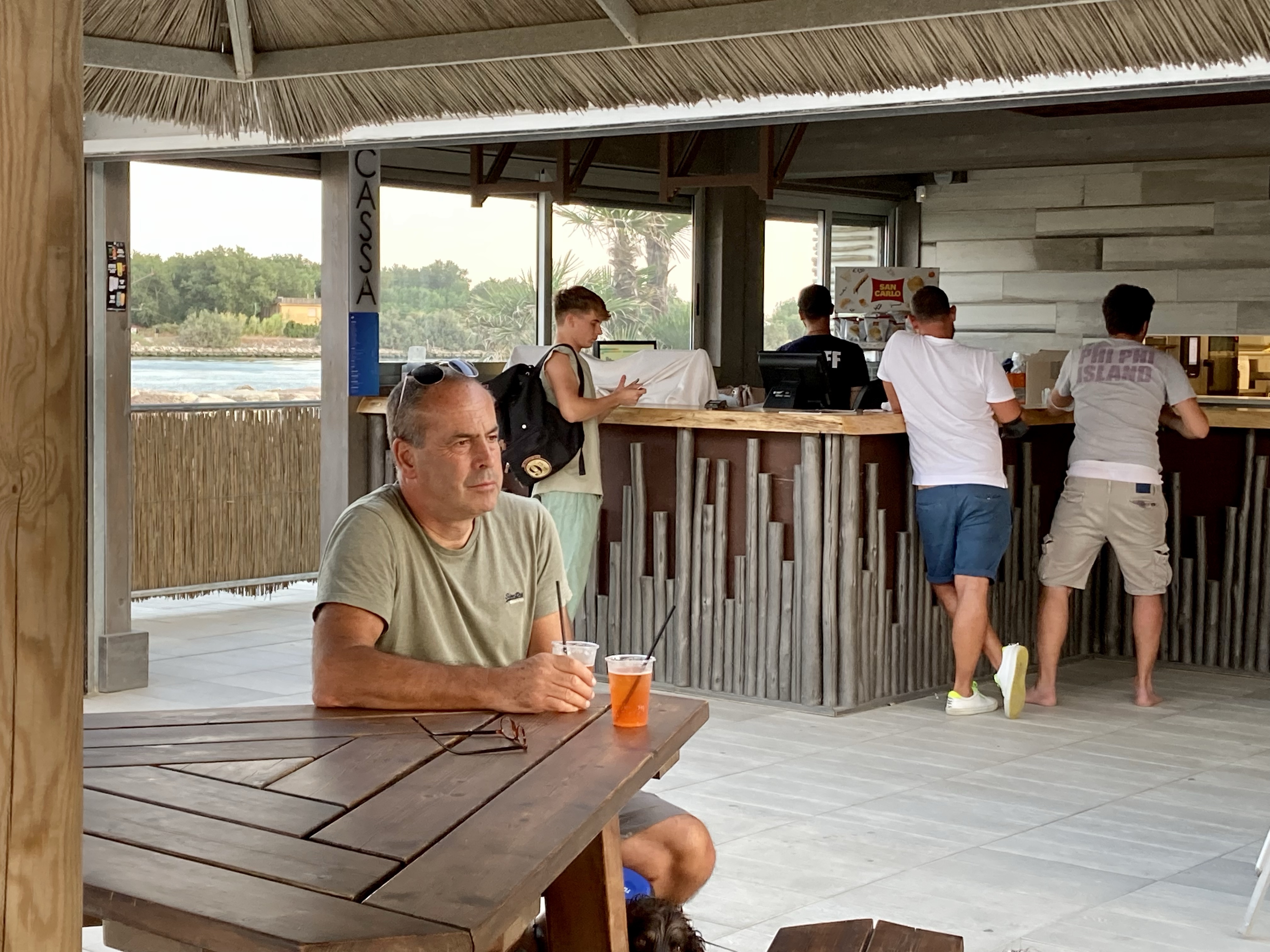
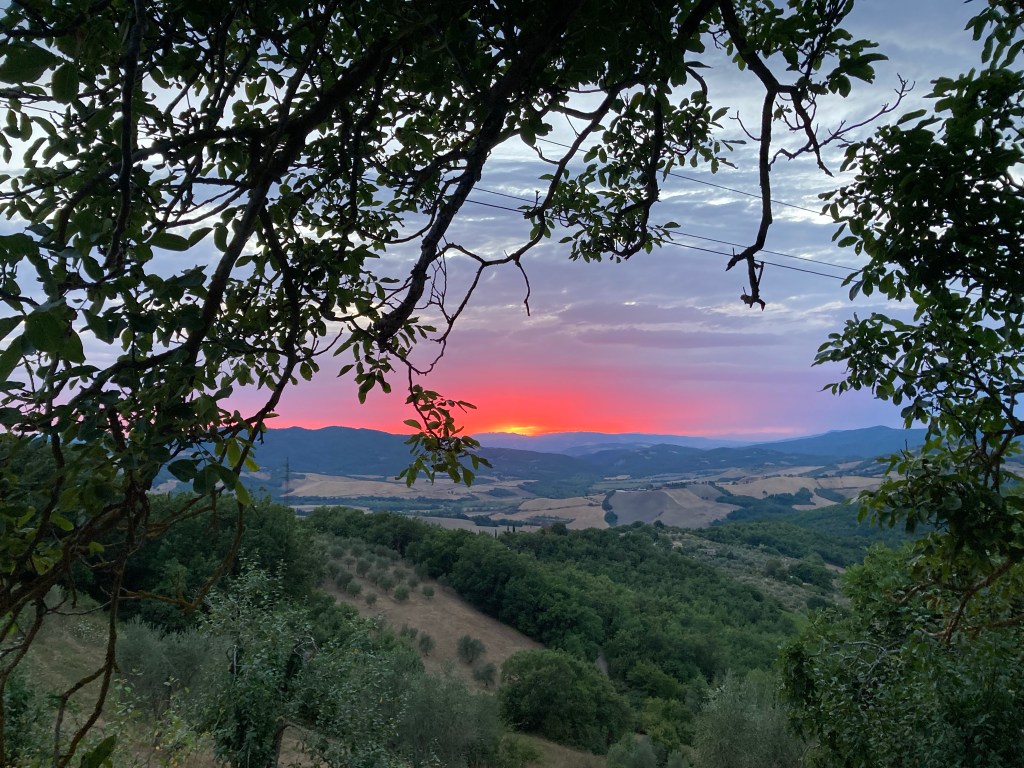
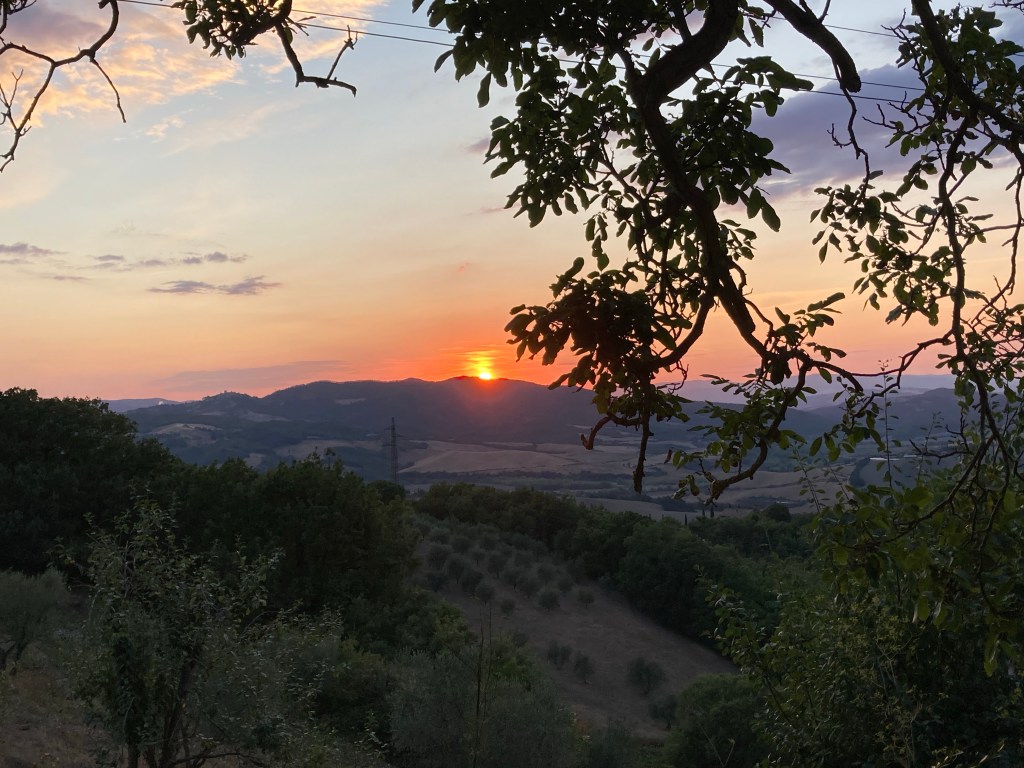
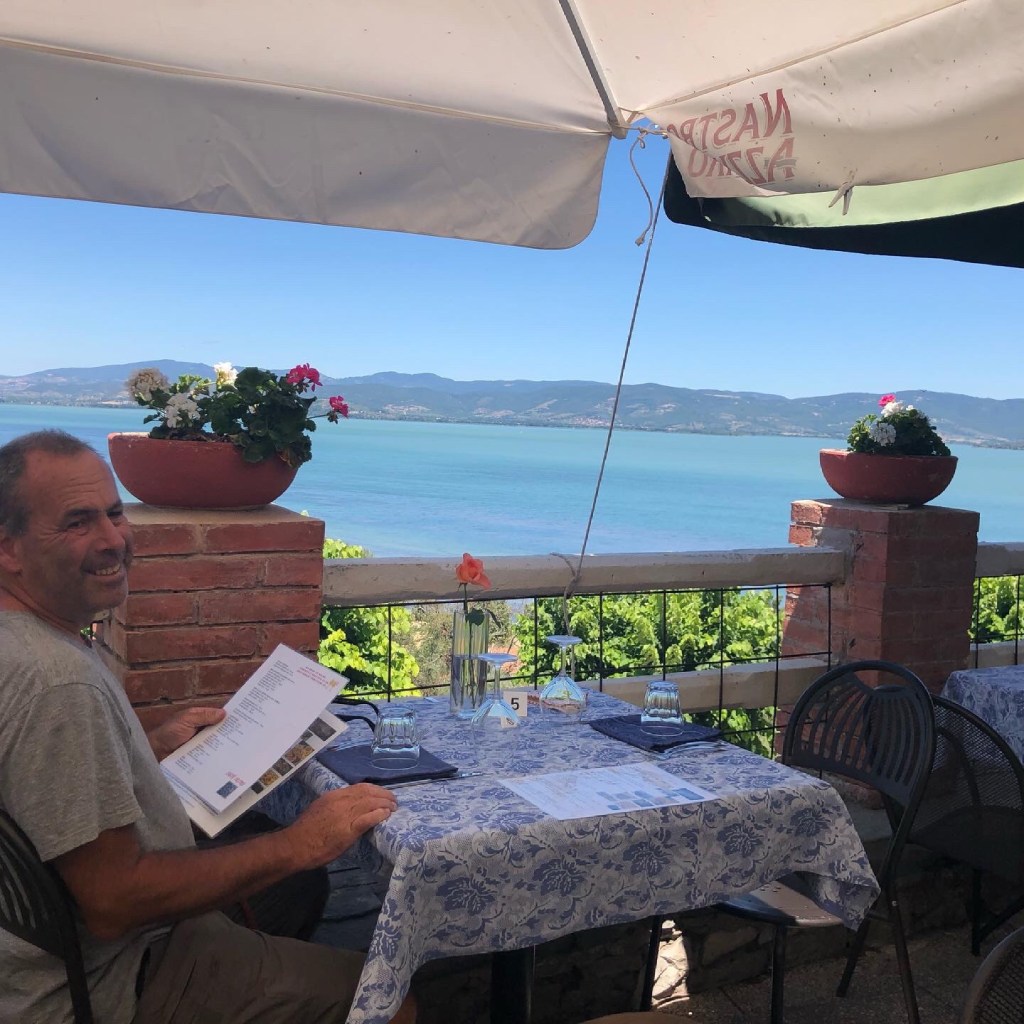
The site we were on had many facilities and spacious pitches. Our chosen pitch had a sea view and was on the edge of the camp, so it was quiet. The site had a central bar and restaurant busy with a good atmosphere also catering for good quality takeaway food, essentially the restaurant menu and a wide range of other pastry snacks. On our side of the camp there was a small café bar overlooking the sea. On the other side there was a small but more vibrant bar with decking overlooking the sea, offering stunning sunset views of an evening. Many a night was spent sipping cocktails relaxing on deck chairs just taking in the sea and sunset views and listening to soul and theatre music.
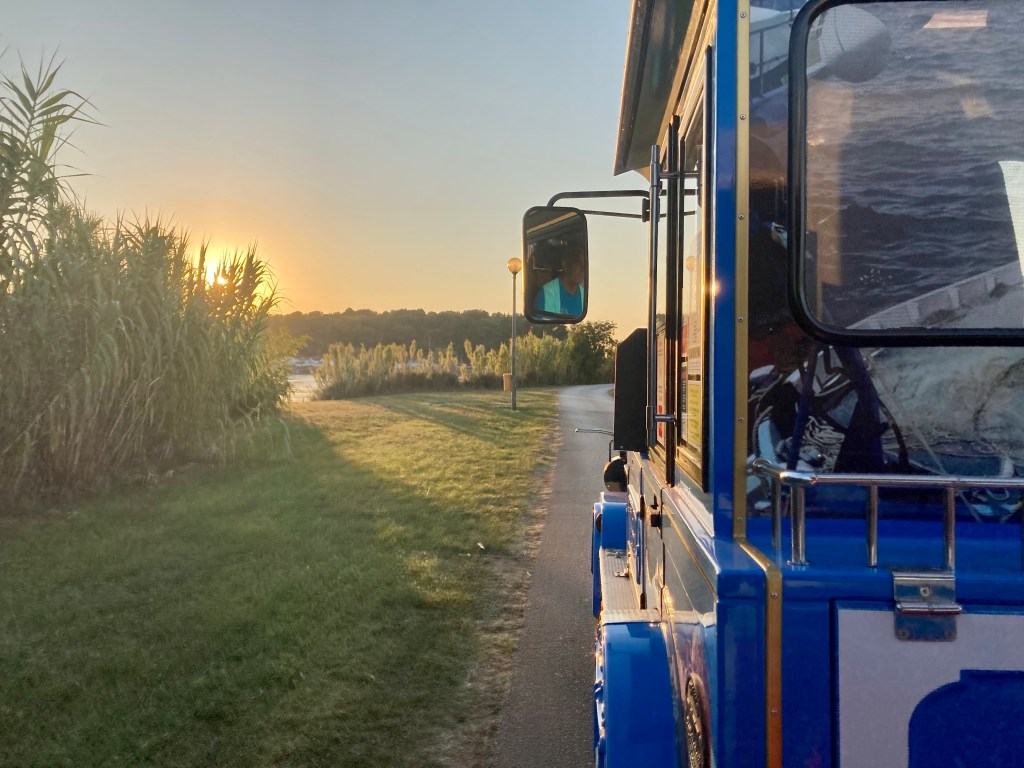
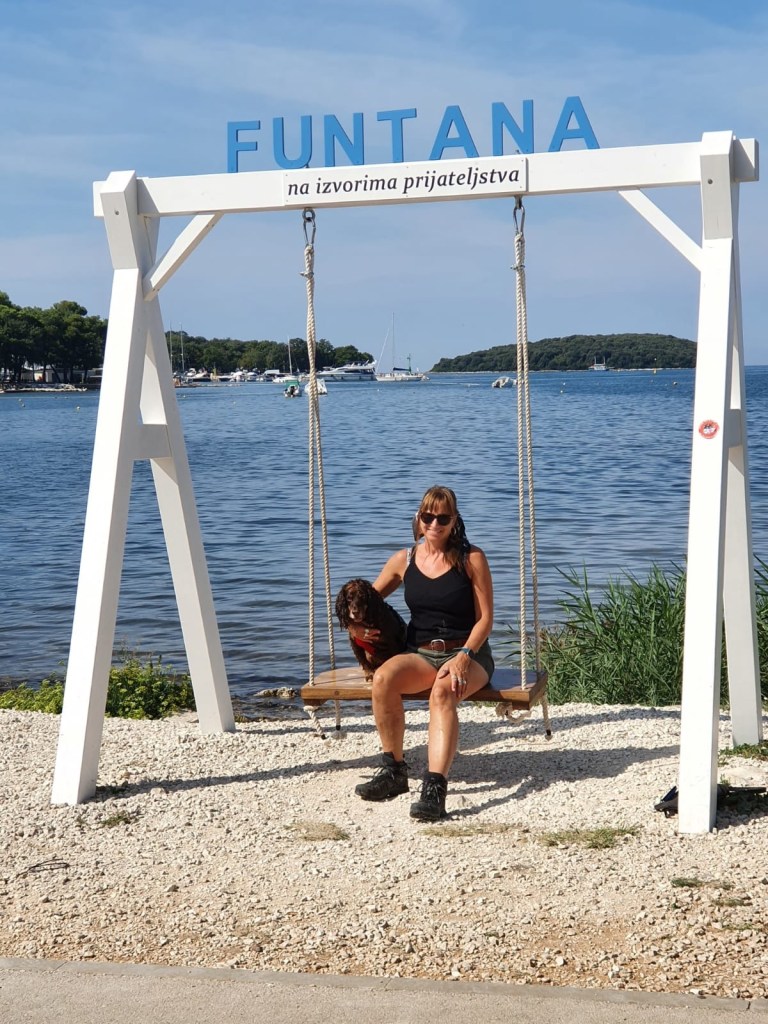
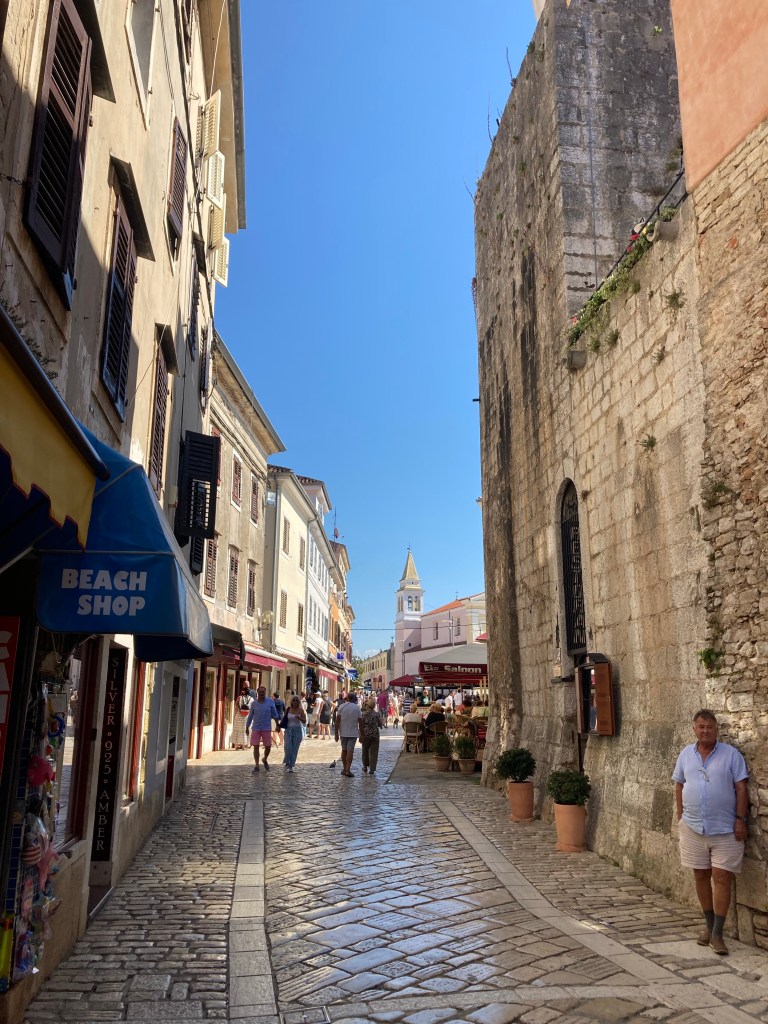
You could either walk along the coastline into Poreč, taking about 50 minutes or take a cute little train that stopped just outside of the campsite boundary and took approximately 20 minutes to the centre of Poreč. Along the way was also a port called Funtana which is worth a visit.
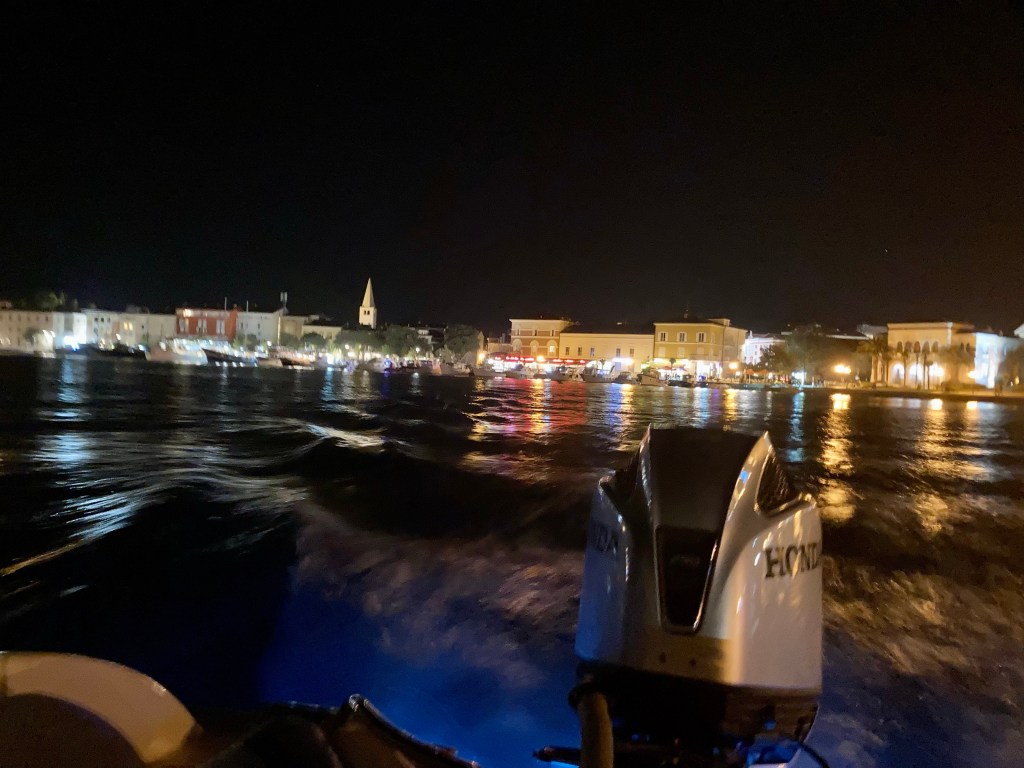
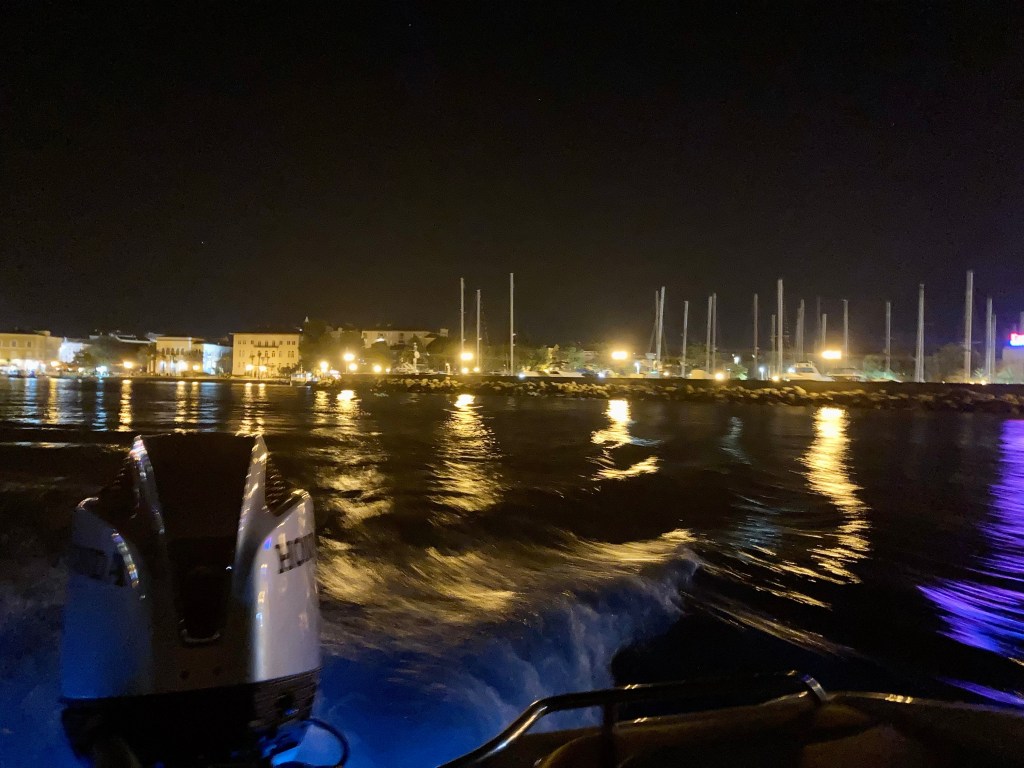
If you wanted a quicker way back from Poreč you could take a water taxi and zip along the sea directly to a mooring in the campsite. A bit more costly, especially if only the two of you however well worth it.
There are two bays south of the town Poreč called Zelena (Green) and Plava (Blue) Laguna the size of small towns. Plenty of hotels, campsites, marinas, and shopping.
Interesting history of Poreč
Pre-historic times around 800BC the largest settlement was called Picugi which was home to an Illyrian tribe called the Histri which is where Istria gets its name. The Romans succeeded in capturing Istria and the Roman settlement of Parentium the present day Poreč emerged and evolved and grow in strength and importance.
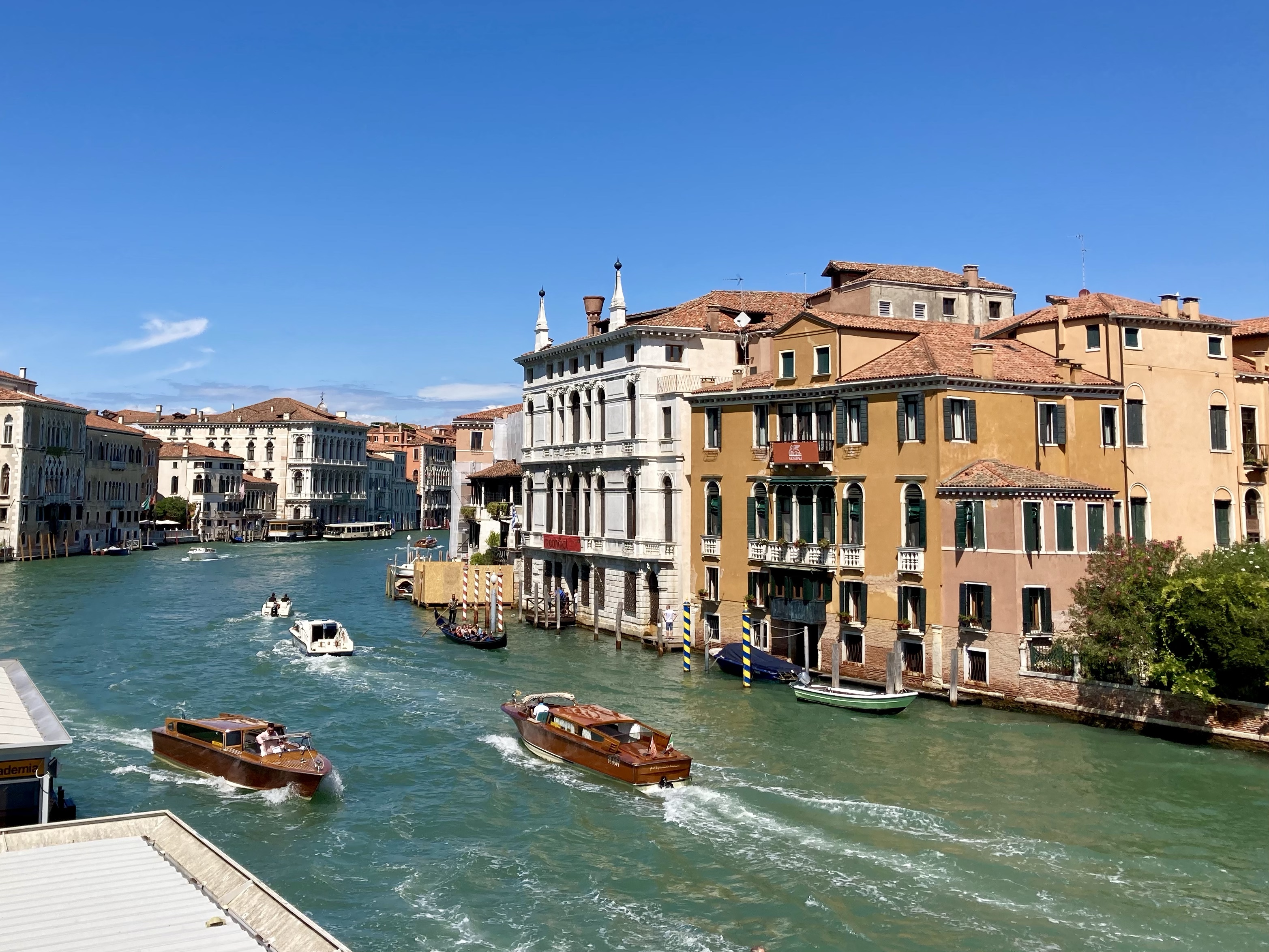
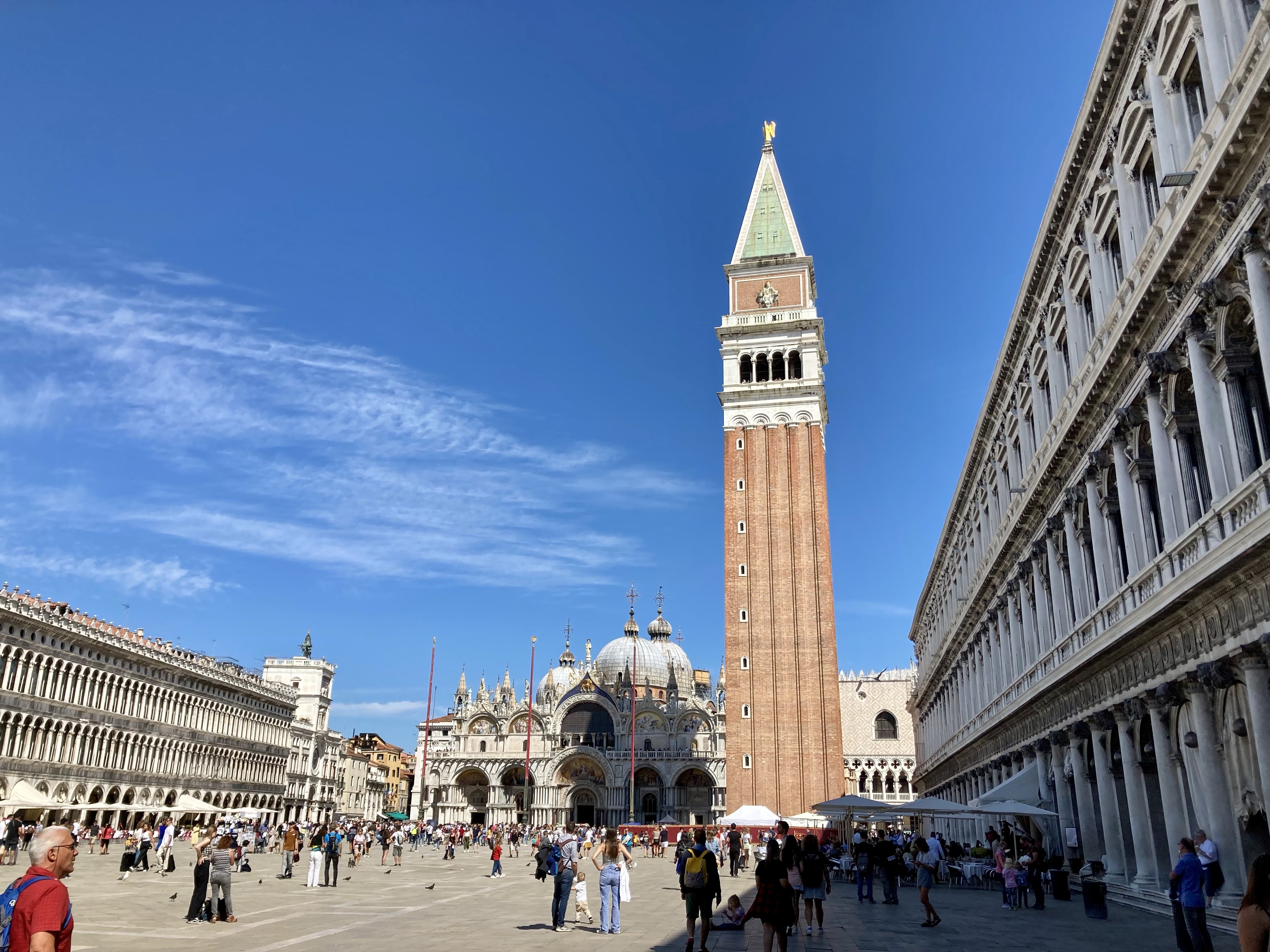
After the fall of Rome Poreč came under the rule of various empires, the Venetian Empire in 1267 and remained until 1797. Poreč suffered considerably from Plague over the centuries and the population fell from a healthy 3000 to 100 by 1646. The Venetians brought in people from Dalmatia, Bosnia, Montenegro and Albania to bolster the population of the town.
When the Venetian Empire fell Poreč came under the control of the Austrian Empire until 1918 when once again it became Italian and the Slavic population were oppressed to Yugoslavia.
Poreč suffered during World War II with 75% of the houses destroyed by heavy bombing. Poreč was assigned to Yugoslavia in 1947 and in 1991 became part of Croatia when independence declared.
Given the long history there is plenty to see and visit













 Travel adventures